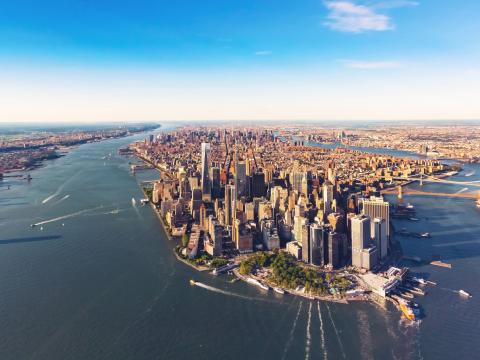
Corporate roadshow travel management in the New York Tri-State area
Published: Oct 9th, 2026
Key takeaways:
- Corporate roadshows bring teams face to face with investors, clients, partners, and other stakeholders through a series of meetings across multiple locations.
- Successful roadshow planning connects flights, rail, hotels, and ground transportation around meeting times, with room for preparation and unexpected delays.
- Midtown, the Financial District, northern New Jersey, and Fairfield County each require different routing decisions. Plan around the next appointment’s location and timing.
- Corporate Traveler coordinates the whole trip, including separate team itineraries, booking changes, and 24/7 traveler support. We’re local. We know New York City.
A corporate roadshow packs a lot into a short time. Your first meeting is in Midtown Manhattan. Tomorrow morning starts bright and early in Jersey City, but you’ve got to get out to Stamford after lunch. Just think of all the moving parts involved before anyone even dares to click on their slide deck.
Corporate roadshows need to operate like a well-oiled machine to be a success. That’s easier said than done when you’re showing off across one of the busiest metropolitan regions on the planet. Corporate Traveler brings it all together as your single travel partner, coordinating every flight, train, hotel, and car across New York, New Jersey and Connecticut.
This guide is for finance teams running investor and IPO roadshows, sales and marketing teams taking a product launch on tour, or any business that’s planning a run of meetings across the Tri-State area. It covers roadshow logistics, itinerary planning, New York routing, duty of care, and how Corporate Traveler can help you manage it all.
What are you waiting for? Let’s get started.
What is a corporate roadshow?
A corporate roadshow is a series of in-person business meetings held across several cities, usually over consecutive days. Company leaders travel to meet investors, customers, media, partners, and other stakeholders face to face, often cramming way too many meetings into each day. It’s all part of the game.
Roadshows can support fundraising, investor relations, product launches, sales, networking, and executive outreach. The big travel challenge is connecting those appointments, so everyone arrives on time and ready to do business.

What types of businesses and industries use roadshows?
Any business that needs to put its leaders in front of the right people in a short window can put on a roadshow. Roadshows serve businesses across finance, healthcare, life sciences, technology, manufacturing, and media. A biotech company might visit potential investors. A technology firm might show off their new product release. A leadership team might meet employees at several offices.
You don’t need to be a public company or be planning a big stock market IPO. Any business can benefit from coordinated roadshow travel. It’s fast, efficient, face-to-face meeting at its finest.

How long does a corporate roadshow usually last?
Most corporate roadshows last anywhere from two days to two weeks, depending on the type and the number of stops. Length depends on the number of locations, meeting availability, and travel distances.
An IPO roadshow usually runs one to two weeks, with four to eight days of travel built in. Management may hold dozens of investor meetings in total. A non-deal roadshow tends to be shorter and lighter. Sales, launch, and client roadshows vary in length and depend on how many accounts the team needs to see. In general, a focused Tri-State tour can fit into two or three days.

Non-deal roadshows (NDR) vs. IPO roadshows
A non-deal roadshow (NDR) lets company leaders meet investors to discuss the business without marketing a specific securities offering. It’s all about relationship maintenance: keeping current shareholders informed, and building interest with new ones. The schedule may offer more flexibility, though individual appointments can still be fixed.
An initial public offering (IPO) roadshow introduces a company’s offering to prospective investors. It takes place in the weeks before a company goes public, when management and the underwriting banks present their offering to institutional investors.
The travel needs for an NDR vs. an IPO are very different. IPO roadshows run on a tight timeline with almost no room to move, and the details stay highly confidential until the offering is public. Non-deal roadshows are more flexible. Dates can shift to suit investors and meetings can be more spread out.
Stay in the loop.
The world of corporate travel is always changing. Sign up for newsletter and never miss a beat.
Common types of business roadshows
Business roadshows take several forms, and each puts different demands on travel. Investor roadshows get most of the attention, but healthcare and life sciences companies, technology firms, media and production companies, professional services firms, and manufacturers all run roadshows of their own. Each format brings its own mix of travelers, demonstration materials, and production equipment to coordinate and move.

-
Investor & IPO roadshows
Investor and IPO roadshows usually involve a small, senior team like the CEO, the CFO, and the head of investor relations, often joined by bankers from the underwriting team. They need closely coordinated arrivals, discreet transfers, and hotels that can support early starts. The schedule is dense, with back-to-back meetings at investor offices and very little slack.
-
Sales & product launch tours
Salespeople, product specialists, and demo teams may join different sections of the tour. Plan for equipment allowances, suitable vehicle capacity, and early arrivals for setup. Sometimes product samples, displays, or demo units may need to get there before the team does. Confirm how larger shipments will securely make it to each venue.
-
Media & PR tours
Media tours move fast. Publishers, entertainment companies, consumer brands, and healthcare organizations all use them to support a launch or an announcement. Interviews and studio appearances can leave little room for delays. You’ve got to be on when you’ve got to be on. Presenters, communications staff, and accompanying crews may need different arrival times. Cars need to wait on standby and the route between studios has to be planned in advance.
-
Client-meeting circuits
Client-meeting circuits take account managers or senior leaders to multiple client offices over a few days. Meeting times are often less rigid than on an investor roadshow, but the tour can cover more ground, making routing matter. Think ahead. Avoid zig zagging the city three times before lunch by grouping nearby appointments. Choose hotels and ground travel around the next day’s meetings.
-
Executive leadership visits
Executive leadership may visit offices, facilities, or regional teams across several locations. Executives expect travel to run smoothly and to the minute, with their preferences remembered and their time perfectly managed. Coordinate travel with local hosts, leave room for site access procedures, and accommodate executives who join or leave mid-roadshow.
-
Partner & stakeholder meetings
Partner and stakeholder roadshows can involve people traveling from different starting points. These trips can mix office meetings with site visits outside the city, so they often call for car services or rental cars as well as rail. Align arrival windows, shared transfers, and hotel stays so the group can meet without everyone following an identical itinerary.
Roadshows may differ, but all have similar coordination challenges. Every kind of roadshow means a multi-stop itinerary, a tight schedule that you can’t get behind on, and various types of travelers with different needs. That’s where a great travel management partner like Corporate Traveler makes all the difference.
How Corporate Traveler simplifies corporate roadshow travel logistics
Roadshow logistics means sequencing flights, rail, hotels and ground transport around a fixed schedule of meetings that can’t move. Every booking depends on the one before it. Your dedicated Travel Manager gets to know your business, your travelers, and what each roadshow needs to achieve. The whole sequence will be planned together, so each leg lines up with the next and your team can focus on the meetings.

Building multi-stop itinerary around fixed meeting times
Corporate Traveler starts with the appointments, including addresses, required attendees, and arrival deadlines. Your Travel Manager will work backward to plan travel, hotel locations, and transfer windows, using their expertise to spot where your travelers will need extra time. Identify the meetings that cannot move, and they’ll help you decide where an earlier arrival or overnight stay makes sense.

Coordinating flights, rail, accommodation & ground transportation together in one place
When careful coordination matters, Corporate Traveler is ready. Our business travel services set you up with a single travel partner to work with as roadshow plans take shape. Your dedicated Travel Manager will coordinate bookings from start to finish, checking arrivals, transfers, overnight stays, and departures against the meeting schedule to help you avoid a hotel or connection that adds unnecessary travel time.

Managing separate itineraries for executive, support, and presentation teams
Roadshows can be a circus. Thankfully we’re great jugglers. Your presenters may need to arrive the night before. An executive might fly in for a single meeting while support staff needs to move on to the next stop. Your Travel Manager will coordinate individual travel plans and tie them together with the shared schedule, accounting for different hotels, baggage needs, and equipment-related arrival deadlines. Nothing gets dropped.
Everything you need to manage corporate roadshow travel
Share your meeting schedule, traveler numbers and must-have requirements. We’ll help you connect the bookings and identify the travel gaps before your team sets off.
Corporate roadshow travel logistics in New York, New Jersey & Connecticut
New York roadshows rarely stay in Manhattan. A New York roadshow can cross multiple cities, states, and transport networks in a single day. A short distance on the map doesn’t always mean a quick transfer. Can your team reach each meeting stop with enough time to prepare?
Tri-State roadshow hubs, corridors, & routing considerations
Finance and corporate roadshows in the Tri-State area usually run through three main hubs.
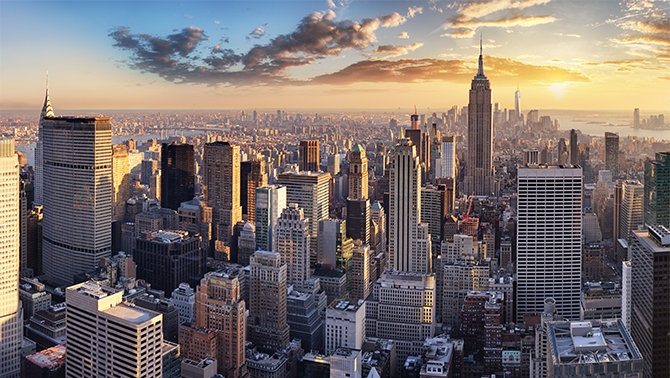
- Manhattan: Midtown is home to many of the banks, asset managers, hedge funds, and law firms that fill a roadshow calendar, especially along Park Avenue and Sixth Avenue. The Financial District around Wall Street and the World Trade Center adds banks, insurers, and professional services firms.
- Northern New Jersey: The Jersey City waterfront, around Exchange Place and Newport, has a large concentration of financial services offices and is only a few minutes from the World Trade Center by PATH train. Newark has corporate headquarters of its own and sits next to Newark Liberty International Airport.
- Fairfield County, Connecticut: Greenwich is known for hedge funds and investment firms, and Stamford is home to corporate headquarters and financial firms. Both are along Metro-North’s New Haven Line and Interstate 95.
Three corridors link these hubs. PATH, NJ Transit, and the Holland and Lincoln Tunnels cross the Hudson River to New Jersey. Metro-North and I-95 run northeast to Connecticut. Amtrak’s Northeast Corridor connects Penn Station with Newark, Stamford, and New Haven.
Planning your route will make a big difference. Group meetings by area as much as you can. A day in Manhattan followed by a New Jersey or Connecticut day can reduce repeated transfers. Plan around peak traffic. The tunnels, the approaches to I-95, and crosstown streets in Midtown can slow to a crawl at rush hour. Rail is usually more predictable at those times.
Choosing transportation based on the next appointment
Choose an airport by checking the flight schedule against the first meeting’s address. The best airport or train for a roadshow isn’t always the cheapest fare or the closest terminal. It’s the one that gets your team to the next meeting on time.
Newark Liberty (EWR) may suit a New Jersey start. LaGuardia (LGA) can be worth comparing for a Manhattan arrival, while John F. Kennedy (JFK) may offer the flight routing your inbound team needs.
The MTA’s airport guides explain public transit connections. NJ TRANSIT’s Newark airport guide covers the rail and AirTrain connection.
Rail often beats flying for short hops. Metro-North express trains reach Stamford from Grand Central in about 50 minutes. Amtrak’s Acela gets from Penn Station to Philadelphia in about an hour and a quarter. Trains run city center to city center, skip airport security, and let executives prep or take calls on the way. Flying makes more sense for longer legs, such as a next stop in Chicago or on the West Coast.
Scheduling realistic buffers for travel between meetings
A schedule that looks fine on paper can fall apart on the day. Back-to-back meetings two blocks apart still need time for lobby security, guest registration, elevator banks, and a walk to the right floor. Crosstown traffic in Midtown can turn a short ride into a 30-minute journey at rush hour.

These buffers make a good starting point:
- 20 to 30 minutes between meetings in the same Manhattan neighborhood
- 45 to 60 minutes when crossing Manhattan by car at busy times
- 90 minutes to two hours door to door when the next meeting is in another state, such as Midtown to Stamford or the Financial District to Newark
- Two hours or more between a scheduled landing and the first meeting of the day
Pre-registering guests with building security and making sure every traveler carries photo ID also helps meetings start on time.
Getting in & around the Tri-State area
Most Tri-State roadshow stops are an hour or less from Midtown Manhattan. Here’s how the main stops connect.
| Roadshow stop | Nearest airports | Main rail links | Typical time from Midtown |
|---|---|---|---|
| Midtown Manhattan | LaGuardia, JFK, Newark | Grand Central (Metro-North, LIRR), Penn Station (Amtrak, NJ Transit, LIRR), subway | N/A |
| Financial District | Newark, JFK, LaGuardia | Subway, PATH at World Trade Center | 20 to 30 minutes by subway |
| Jersey City | Newark | PATH from World Trade Center and Sixth Avenue | 15 to 30 minutes by PATH |
| Newark | Newark | NJ Transit and Amtrak from Penn Station, PATH | About 20 to 30 minutes by train |
| Stamford | Westchester (HPN), LaGuardia | Metro-North New Haven Line, Amtrak | About 50 minutes by Metro-North express |
| Greenwich | Westchester (HPN), LaGuardia | Metro-North New Haven Line | About 45 to 60 minutes by Metro-North |
| Philadelphia (beyond the Tri-State) | Philadelphia (PHL) | Amtrak Acela and Northeast Regional from Penn Station | About 75 minutes on Acela |
Organizing ground transportation during corporate roadshows
Ground transportation holds a roadshow together from one day to the next. Flights and trains get the team into the region, but the car waiting outside each meeting keeps your roadshow on schedule. A dedicated car and driver also gives executives a private space to prep, take calls, and review notes between stops.

-
Why pre-arranged ground transport matters on a roadshow
Pre-arranging transportation lets you agree on pickup points, vehicle capacity, and the day’s stops. Confirm whether the booking covers individual transfers or a vehicle retained for an agreed period. Check waiting charges, cancellation terms, and driver availability. A car booked for one transfer won’t necessarily be available when a meeting finishes late.
-
Coordinating ground transport with flights, rail & hotels
Share flight and train details with the transport provider, agree on the pickup location, and confirm who communicates delays. Allow for baggage collection and the walk from the platform or terminal to the vehicle.
Connect the final transfer with hotel arrangements too. A delayed arrival may affect check-in, and an early checkout may require luggage storage. Every changed arrival should prompt a check of the next booking, so travelers don’t have to figure it out themselves on an already crazy day.
Managing investor & IPO roadshow travel
Investor and IPO roadshows have the tightest schedules and the highest stakes. A missed connection may cost time with investors and force changes across the remaining schedule. Planning needs to account for both travel disruption and confidentiality.
Investor, IPO & non-deal roadshow travel requirements

IPO roadshow travel needs to fit the timetable, multiple investor meetings, and the availability of senior executives. Identify essential attendees, arrival deadlines, and who can approve a changed flight or extra hotel night before departure.
Non-deal roadshows may offer more scope to rearrange the overall circuit, but individual meetings still deserve the same attention. Both formats benefit from flexible booking options, clear contingency routes, and a single itinerary for each traveler.
VIP preferences, confidentiality, & traveler security during roadshows
Senior executives on a roadshow expect travel to fit around them, not the other way around. That means getting their preferences right every time: aisle or window, room type, dietary needs, loyalty programs, and the right size of car. Mistakes waste time and add friction on a trip where every minute counts.

Senior executives on a roadshow expect travel to fit around them, not the other way around. That means getting their preferences right every time: aisle or window, room type, dietary needs, loyalty programs, and the right size of car. Mistakes waste time and add friction on a trip where every minute counts.
Discretion matters too. Drivers, hotel staff and anyone close to the itinerary may overhear calls or see documents. Some companies ask car services to sign nondisclosure agreements, and many ask drivers to use a traveler’s name rather than the company’s name on arrival signs. It’s also worth limiting who can see the full itinerary during a sensitive deal.
Expedited airport options save time and keep executives out of crowded terminals. TSA PreCheck and CLEAR speed up security at JFK, LaGuardia, and Newark. Airport meet-and-assist services can guide travelers from curb to gate, and airline lounges give executives a private space to work between flights.
How Corporate Traveler manages the full roadshow
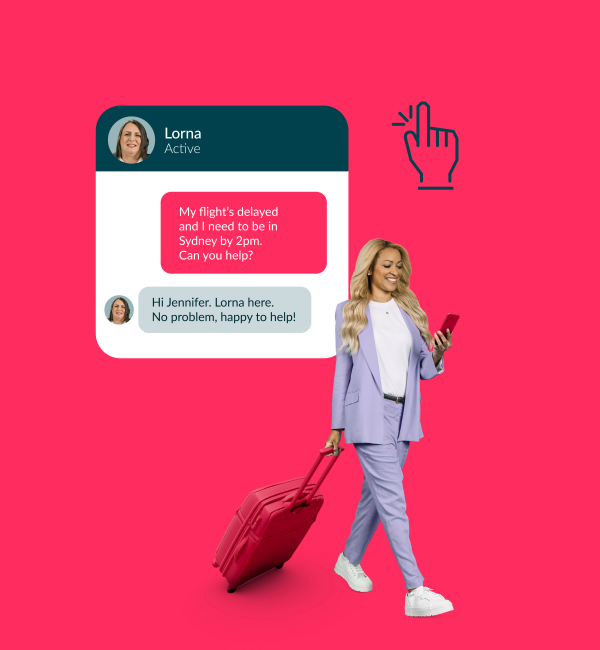
A ground transportation booking covers one part of the roadshow. Corporate Traveler brings the entire trip together, combining travel expertise from dedicated Travel Managers with Melon, our all-in-one corporate travel platform. Here’s how that support applies.
-
Practical flight logistics
Your Travel Manager compares flight options around required arrival times, onward transfers, and fare flexibility, drawing on their extensive New York City travel expertise and knowledge of your account. They will help you weigh a lower fare against the practical cost of an awkward connection or a late arrival.
-
Interconnected rail & ground transportation
Rail and ground bookings get the same careful attention. Your Travel Manager will coordinate rail and ground arrangements with the rest of your bookings. That includes checking where the rail journey ends and how travelers will reach the next appointment or hotel.
-
Multi-stop itinerary planning across cities & teams
Your meeting sequence gives your Travel Manager the starting point for connecting cities and teams. Give us the fixed appointments and we’ll help identify travel windows that need more breathing room.
-
Accommodation across multiple locations
We arrange hotels around meeting locations, and onward travel, comparing available rates and booking conditions. Your Travel Manager can raise early check-in, late arrival, and room preferences with suppliers, subject to confirmation.
-
Group & executive bookings handled together
Because your Travel Manager knows who’s joining each part of the roadshow, they can coordinate shared journeys alongside individual executive bookings. Different arrival days, room requirements, and departure points can happen in the same plan, with each traveler receiving the relevant details.
-
Real-time schedule changes & rebooking
Our travel team helps amend affected bookings when flights or meeting plans change. Your Travel Manager will check the consequences for connecting travel and hotel stays, with replacement options subject to availability and supplier conditions.
-
Centralized billing & reporting
Corporate Traveler brings travel costs into a clearer view through travel reporting and payment options. Agree on the booking references and reporting fields you need to allocate spend by roadshow, client, deal, or cost center before travel begins.
-
Traveler tracking & duty of care across the whole trip
Our traveler tracking and itinerary visibility tools help your business identify booked travel affected by disruption. Keep itinerary changes current and agree on emergency contacts and escalation procedures so your team knows who needs help and how to respond.
-
VIP travel requirements & confidentiality
Getting to know your travelers includes understanding their preferences and sensitive requirements. Your Travel Manager uses that knowledge to help personalize bookings and works with your designated organizer on confidentiality, airport assistance, or specialist security needs. Raise these early so they can establish the arrangements and supplier confirmations required.
-
24/7 traveler support
Corporate Traveler provides 24/7 support when travel plans change. Your dedicated Travel Manager supports the ongoing relationship, with after-hours teams available when disruption happens.
You get a travel partner that sees and gets how bookings connect. Your team gets more time to prep for the conversation they’re there to have.
Case study: See how we’ve helped businesses manage their corporate travel
See how businesses like yours work with Corporate Traveler every day to manage complex travel, respond to changing plans, and give their teams reliable support.



See how we’ve helped businesses manage their corporate travel
Corporate Traveler: your ultimate New York roadshow partner
New York is home for Corporate Traveler. Our team has firsthand knowledge of the city’s airports, routes, and travel options, helping you connect those important roadshow stops across the Tri-State area.
We’ll coordinate flights, hotels, rail, and ground transportation around your meeting schedule, budget, and company policy. Whether you’re meeting investors in Midtown, visiting clients in Jersey City, or heading to Stamford for a product presentation, we’ll build an itinerary that gives your team time to arrive prepared to win.
You can spend less time managing logistics and more time making each meeting count. Wherever your roadshow takes you across New York, New Jersey, and Connecticut, you’ve got a local partner behind you.
Let’s talk about how Corporate Traveler can help you plan your next New York roadshow.

FAQs
-
What's included in corporate roadshow travel logistics?
Corporate roadshow travel logistics includes itinerary planning, flights, rail, hotels and ground transportation around a series of meetings. It also covers separate traveler schedules, booking changes, cost reporting and traveler support. Agree on equipment-related and specialist requirements before booking, since they may need separate arrangements.
-
How long does a typical corporate roadshow last?
A regional roadshow may last a few days, while a wider tour can run for one or two weeks or longer. There’s no single standard duration. Set the number of days around the locations, meeting length, and transfer time, then allow for preparation and rest.
-
Should a roadshow team fly or take the train between New York, New Jersey, and Connecticut stops?
For journeys between Manhattan, northern New Jersey, and Fairfield County, compare rail with road transport first. Local airport transfers and check-in can make flying impractical. Choose the option that fits the next meeting’s address, the available schedule, team size and luggage. Flights are more relevant when connecting the regional circuit with longer-distance travel.
-
How much buffer time should be scheduled between roadshow meetings in New York?
Allow the realistic door-to-door journey time, plus building access, preparation and contingency. There’s no single buffer that suits every New York route. For example, a 30-minute transfer with 15 minutes for access and 15 minutes of contingency needs a one-hour gap. Assess longer transfers separately.
-
What does duty of care mean for roadshow travelers?
Duty of care means taking reasonable steps to support employees’ safety and wellbeing while they travel for work. Practical measures include assessing travel risks, maintaining current itineraries, providing emergency contacts and arranging support during disruption. For roadshows, those arrangements need to follow every traveler across every stop.
-
Can Corporate Traveler manage ground transportation and the rest of the trip together?
Yes. Corporate Traveler can coordinate ground transportation alongside flights, rail, and hotels as part of a connected itinerary. Your Travel Manager helps align the bookings with your meetings and supports changes when plans move. Confirm any specialist vehicle or security requirements during planning.
-
Can Corporate Traveler coordinate separate itineraries for different travel teams on the same roadshow?
Yes. Corporate Traveler can coordinate different arrival times, hotel stays, and onward journeys for executives, presenters, and support teams. Share each group’s required meetings and travel needs so individual bookings fit the overall roadshow schedule.
Related resources