

Corporate retreat and offsite travel planning in New York
Published: Oct 2nd, 2026
Key takeaways:
Planning corporate retreat travel in New York is manageable when you start early, know your destination trade-offs, and centralize logistics from day one.
- Book flights and room blocks six to ten months in advance; the earlier you lock in rates, the more availability and budget flexibility you'll have.
- NYC venues suit multi-origin teams flying in from different cities, while Hudson Valley locations work better for drive-in groups but require more ground transport coordination.
- Multi-origin groups mean staggered arrivals, multiple itineraries, and varying ground transfer needs; one person needs to own the full logistics picture or things fall through the gaps.
- Corporate Traveller simplifies retreat coordination through centralized itinerary management, room block support, and 24/7 disruption response across groups traveling from different locations.
- Post-retreat billing is easier with CT Pay, which consolidates all travel spend into one monthly statement instead of dozens of individual invoices.
Bottom line: Successful corporate retreat travel in New York depends on booking early, choosing the right destination for your group's origins, and having one centralized point of oversight for the full trip.
Getting a team together in one city sounds simple until you start booking flights from six different departure cities, blocking hotel rooms during peak season, and figuring out who's landing at LaGuardia versus who's taking Amtrak up from D.C. Corporate retreat travel planning in New York comes with its own set of quirks, from three competing airports to a Hudson Valley alternative that trades big-city energy for shorter transfer times.
This playbook covers the travel logistics side of planning a retreat, not venue selection. Think budgets, booking timelines, multi-origin coordination, room blocks, and what to do when a flight gets cancelled the morning of departure.
Planning travel for a corporate retreat or offsite
Retreat travel planning has more moving parts than a standard business trip because you're coordinating groups, not individuals. A few things separate it from everyday travel management:

- Multiple origin cities: Employees are flying, driving, or training in from different locations, often with different budgets and airline options.
- Fixed dates: Unlike a flexible business trip, retreats usually have a locked start and end date, which limits your negotiating room on fares.
- Group accommodation needs: You're managing a room block instead of a single reservation, with attrition clauses and shifting headcounts.
- A mix of paid and personal travel: Some employees will want to extend their trip for personal time, which means separating company-paid segments from personal ones.
Getting these pieces right early saves a lot of last-minute scrambling closer to the retreat date.
Stay in the loop.
The world of corporate travel is always changing. Sign up for newsletter and never miss a beat.
How far in advance should you plan retreat travel?
Book corporate retreat travel eight to 12 weeks ahead of the event. Aim for the full 12 weeks if your retreat falls during peak season (spring and fall in New York, plus the December holiday stretch) or if you're coordinating a larger group.

Booking early matters for a few reasons:
- Fare availability: Group airfare and rail seats sell out fast on popular routes, especially the Amtrak Northeast Corridor.
- Room block security: Hotels release blocked rooms back into general inventory as the date approaches, so early holds protect your rate.
- Flexibility to adjust: A longer runway gives your travel manager more room to re-book or renegotiate if headcount or dates shift.
How to choose a retreat destination based on employee locations
Start by mapping where your team is actually flying, driving, or training from. A retreat destination that works well for a New York-based team looks very different from one built around a distributed workforce across the Midwest and West Coast.

Key factors to weigh:
- Flight access: How many direct routes exist into the destination's airports?
- Rail access: Is the destination reachable by Amtrak for East Coast attendees?
- Ground transfer time: How far is the airport or station from the retreat venue?
- Group size and split: Is your team concentrated in one region, or spread across the country?
NYC vs. Hudson Valley: travel access trade-offs
New York City and the Hudson Valley are two of the most common retreat choices for East Coast companies, but they suit different priorities.
Factor | New York City | Hudson Valley |
| Airport access | Three major airports (JFK, LaGuardia, Newark) with extensive domestic and international routes | Smaller regional airports (ALB, SWF, BDL) with fewer direct routes |
| Travel time from Manhattan | N/A, retreat is in the city | 90 minutes to two and a half hours by car or train |
| Rail options | Multiple subway, commuter rail, and Amtrak connections | Metro-North and Amtrak service to select towns |
| Ground transfers | Congested but well-served by rideshare, car service, and public transit | Longer transfers, often requiring shuttles or rental cars |
| Best for | Large groups, international attendees, teams wanting city amenities | Smaller teams prioritizing a quieter setting over convenience |
Choose New York City if attendees are flying from multiple regions and need maximum flight availability. Choose the Hudson Valley if your group is smaller, largely regional, and the retreat goal leans toward a slower, more focused offsite experience.
Building a retreat travel budget
Business travel costs continue to climb. The Global Business Travel Association projects an average domestic business travel cost of around $263 per day in 2026, rising roughly three percent year over year. That figure covers flights, ground transport, meals, and accommodation, so use it as a starting benchmark rather than a fixed number.
Build in a contingency of 10 to 15 percent on top of your base estimate. Retreat budgets get thrown off by last-minute fare increases, headcount changes, and rebooking fees, and that buffer keeps a single disruption from blowing the whole plan.
Typical cost factors for New York retreats

- Flights: Domestic and international fares into JFK, LaGuardia, or Newark, which fluctuate based on how far ahead you book.
- Rail: Amtrak fares for attendees coming from Boston, Philadelphia, or D.C., often cheaper and faster than flying for those routes.
- Ground transportation: Airport transfers, shuttles between venues, and rideshare or car service within the city.
- Accommodation: Room block rates, which vary significantly between Manhattan hotels and Hudson Valley properties.
- Per diem and meals: Daily allowances for food, especially on days without group meals planned.
Coordinating multi-origin employee travel
When your attendees are flying in from a dozen different cities, coordination becomes the real challenge, not booking itself. A structured approach helps:
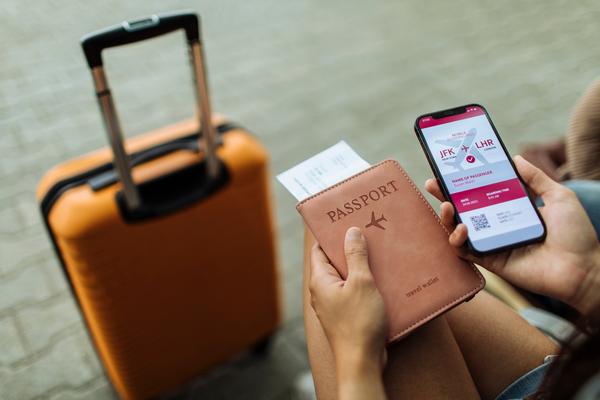
- Collect travel data early: Get each employee's departure city, preferred dates, and any personal travel plans before booking begins.
- Group by region: Batch bookings for employees flying from the same city or region to simplify management and potentially unlock group rates.
- Assign a main point of contact: One person, whether internal or your travel manager, should own the full itinerary picture so nothing falls through the cracks.
Managing different arrival and departure times

Staggered arrivals are normal on multi-origin trips, but they don't have to create chaos on the ground.
- Build in buffer time: Schedule the retreat's official start a few hours after the latest expected arrival.
- Use shared shuttles for clustered arrivals: Group attendees landing within the same window into one transfer instead of booking individual cars.
- Communicate a clear arrival window: Give employees a target arrival range rather than a single fixed time, so travel booking stays flexible.
Booking flights, rail and ground transportation
New York's airport system handled more than 146 million passengers in recent years across its three major airports, so route availability isn't usually the problem. Choosing the right airport and mode for each attendee is.

- JFK, LaGuardia, and Newark: Compare all three for each attendee's departure city rather than defaulting to one airport for the whole group.
- Regional airports for Hudson Valley retreats: Albany (ALB), Stewart International (SWF), and Bradley near Hartford (BDL) serve attendees heading to that region with shorter final transfers.
- Amtrak Northeast Corridor: A strong option for attendees coming from Boston, Philadelphia, or Washington, D.C., often faster door-to-door than flying once you factor in airport time.
- Ground transportation: Book shuttles, car service, or rideshare in advance for group transfers, especially during peak commute hours.
New York-specific travel considerations

A few local factors shape retreat travel planning in New York specifically:
- Traffic and congestion: Manhattan traffic can turn a short transfer into a long one, so build extra time into any ground transportation plan.
- Airport transfer variability: Transfer times from JFK and Newark can swing widely depending on time of day, so avoid tight connections around arrival transfers.
- Seasonal weather: Winter storms and summer thunderstorms both cause regular flight delays, which affects how much buffer time you should build into travel days.
- Event and holiday congestion: Major events or holidays in the city drive up hotel rates and reduce room availability, so check the local calendar before locking in dates.
Accommodation and room blocks
Negotiating a room block gives your group a guaranteed rate and reserved inventory, but the terms matter as much as the price.

- Understand attrition clauses: Most contracts require you to fill a percentage of the block or pay a penalty, so estimate headcount conservatively.
- Confirm cutoff dates: Know exactly when unbooked rooms release back to the hotel's general inventory.
- Compare Manhattan vs. Hudson Valley rates: City hotels typically carry higher nightly rates than Hudson Valley properties, which affects your overall budget.
Managing changing headcounts
Headcounts shift right up until the retreat date, so build flexibility into the block from the start.

- Book a slightly smaller block with an expansion option: This limits attrition risk while still leaving room to add rooms if needed.
- Track RSVPs against the block in real time: Regular check-ins let you adjust before the cutoff date instead of after.
- Keep a shortlist of overflow hotels nearby: Have a backup option ready in case the block fills faster than expected.
Ready to compare options for your group?
Talk to a Corporate Traveler expert about the fastest, most cost-effective way to get your whole team to New York.
Collecting traveler information and preferences
Before booking, gather the details that make individual itineraries run smoothly:

- Full legal name and date of birth: Required for flight bookings, especially international travel.
- Loyalty program numbers: Airline and hotel loyalty details so employees keep earning points on company-paid travel.
- Dietary and accessibility needs: Flag these early so they can be accommodated in flights, transfers, and hotel bookings.
- Emergency contact information: Essential for your travel manager to have on file in case of a disruption.
How to handle changes, disruptions and cancellations
Flights get delayed, storms roll in, and plans change. A solid disruption plan keeps a single cancelled flight from derailing the whole retreat.

- Book flexible or refundable fares where the budget allows: This limits rebooking fees when plans change.
- Give your travel manager rebooking authority: A dedicated point of contact who can rebook on the spot saves valuable time during a disruption.
- Set a clear communication protocol: Employees should know exactly who to call the moment something goes wrong.
- Consider travel insurance for the group: Worth evaluating for retreats with a high per-person travel cost or international attendees.
Centralized itineraries and pre-trip communication

Scattered confirmation emails and separate bookings make it hard to track who's where. Centralizing itineraries through a platform like Melon gives your team one place to view flights, hotels, and ground transportation for the entire group, and gives your travel manager one dashboard to manage changes as they come up.
Send a pre-trip communication package a week or so before departure covering flight details, hotel check-in information, ground transfer arrangements, and the main point of contact for travel issues during the trip.
Separating company-paid travel from personal extensions
Plenty of employees will want to turn a retreat into a longer personal trip. Set the policy early:

- Define what the company covers: Specify exact dates and travel segments included in company-paid travel.
- Require separate payment for personal extensions: Personal hotel nights or extra flight segments should be booked and paid for independently.
- Keep the itinerary split visible: Centralized itineraries should clearly flag which segments are company-paid versus personal, avoiding confusion during reconciliation.
Post-retreat billing and reporting
Once the retreat wraps up, consolidated billing makes reconciliation far less painful:

- Request a single consolidated invoice: Covers flights, rail, ground transport, and accommodation in one document.
- Break down costs by department or team: Useful for internal budget allocation and future planning.
- Review actual spend against the original budget: Identify where costs ran over or under to inform next year's retreat budget.
How Corporate Traveler supports your retreat

Corporate Traveler pairs a dedicated travel manager with the Melon platform to handle the logistics of group and multi-origin travel. That means one main point of contact managing group flight bookings, room block negotiations, and disruption support, plus a centralized system where every attendee's itinerary lives in one place.
Talk to a Corporate Traveler expert today
Retreat travel planning gets a lot easier with someone who books group travel for a living. Talk to a Corporate Traveler expert about budgeting, group flights, room blocks, and transfers for your next New York retreat.

FAQs
-
How much does a corporate retreat cost per person in New York?
Costs vary by group size and travel distance, but the Global Business Travel Association projects an average domestic business travel cost of around $263 per day in 2026, covering flights, ground transport, meals, and accommodation. Build in a 10 to 15 percent contingency on top of your base estimate.
-
How far in advance should you book corporate retreat travel?
Book eight to 12 weeks ahead of the retreat date. Use the full 12 weeks during peak travel seasons, such as spring, fall, or the December holidays, to secure better fares and protect your hotel room block.
-
What happens if a flight is cancelled during a corporate retreat?
A dedicated travel manager can rebook affected employees quickly, especially if flexible or refundable fares were booked in advance. A clear communication protocol, so employees know exactly who to contact, limits confusion during a disruption.
-
Is the Hudson Valley cheaper than New York City for a corporate retreat?
Hudson Valley accommodation typically costs less per night than Manhattan hotels, but flight and rail access is more limited, which can raise per-person travel costs for attendees flying in from farther afield. Weigh accommodation savings against travel access before choosing.
-
Who should manage travel logistics for a corporate offsite?
A single main point of contact, whether an internal coordinator or an external travel manager, should own the full itinerary picture. Centralizing this role prevents scattered bookings and makes handling disruptions much faster.
Related resources


