

Corporate travel risk and safety management guide: How to protect your travelers and your business
Last updated: June 17th, 2026
Key takeaways
- Risk management covers broad travel threats; duty of care is legal responsibility for traveler safety.
- Travel safety policies should address disruptions, health risks, disasters, and political unrest.
- Inclusive travel policies address risks specific to LGBTQIA+, women, and disabled travelers.
- A thorough risk assessment spans six areas, from preparation to traveler feedback.
- Melon's traveler tracking and 24/7 support help companies uphold duty of care.
Travel risk management vs duty of care. What’s the difference?
When a sudden accident cut off the Blast! Films crew in a remote part of Siberia, the Corporate Traveler Stage, Screen, and Sports team organized transport home and quickly found a way to book an alternative filming location.
That's an example of an extreme situation where people were cut off from basic supplies. So, how would you handle that kind of unexpected risk situation?
Risk management is essentially the overall strategy that minimizes risk to the company and travelers. It’s an umbrella term or a broader strategy that’s designed to limit expected and unexpected risks. An expected risk might be something like delays at customs if travelers don't have the right travel documents.
A risk management program should have guidelines on selecting travel services to reduce risk in a specific country. Another part of the program might describe the plan to deal with potential business travel security risks and who to contact for emergency travel support.
Duty of care, though, is more specific. Meaning the company's legal responsibility to ensure employee safety and security while traveling for business. Business trips shouldn’t be an environment where employees face hardship or are distracted.
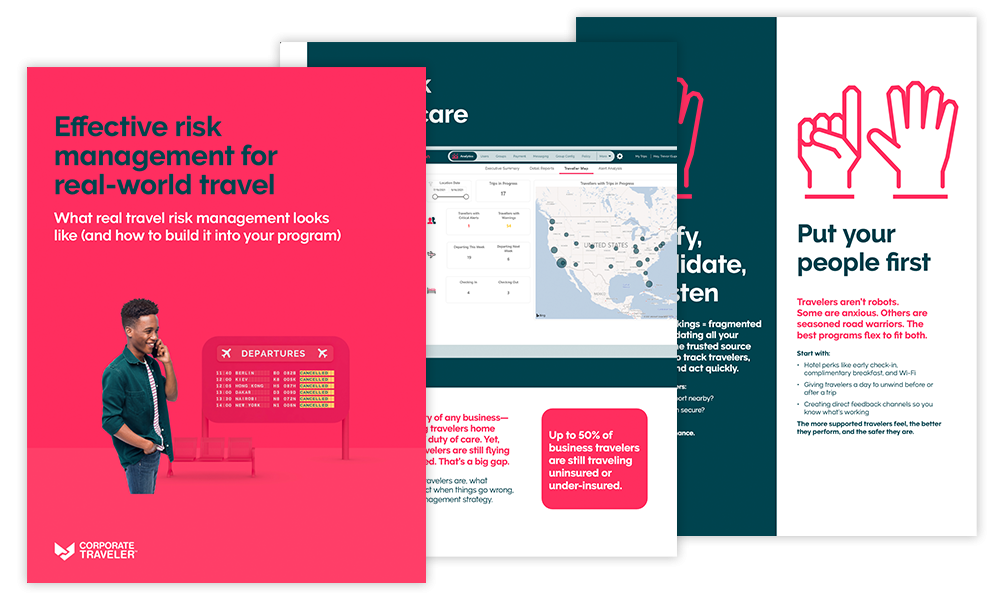
Download our Travel Safety Guide
Make safety inclusive for every traveler
Travel risks aren't one-size-fits-all. This guide covers how to create a safety plan that supports every employee.
How to build travel safety into your corporate travel policy
How do you start building business travel safety and security into a travel policy? A good travel policy should let employees know what to expect when traveling, how to stay safe, and what to do in an emergency.
Most policies give some guidance and steps for basic things like booking, different forms of travel, accommodation, and safety and security. It all comes back to being able to focus on the purpose of your business travel.
Our Travel Managers help navigate the complexities of travel, whether that be helping with information or finding the best travel options, so your team can focus on doing their best work.
What is duty of care in business travel?
It’s simple, really. Business travel duty of care means the responsibility of bringing business travelers home safely. This legal concept means assessing and preparing for risks that could affect employee health, safety, and security.
What is a company’s role in duty of care?
Duty of care is a core responsibility for a company that has a travel program. The purpose of corporate travel is business, so travelers rely on their company to support them when they’re away from home.
Often, the company is making the call on how to choose travel plans, not the employee, and they’re responsible for ensuring a good outcome and employee travel safety.
What risks should be considered?
There are so many different risk categories that should be considered for business travel, but some of the main ones include:
- Travel closures or disruptions
- Health risks
- Natural disasters
- Political unrest
- Local crime levels
That’s by no means an exhaustive list, but thinking about corporate travel safety means assessing the expected and unexpected travel risks that employees might face.
How can travel be inclusive and accessible?
For any workforce, it's important to consider how diversity and individual needs apply to risk management. Travel policies can be an opportunity for inclusion and to reinforce overall work culture values.
It’s all about your perspective. Travel policies need to consider corporate values, but also the individual needs and preferences of travelers. Listen to what employees have to say about your travel program, especially team members who take frequent business trips. Work with HR to find out about existing DEI employee feedback and relate that to your travel management company.
Safety. It’s critical for business travel. You can use a risk assessment exercise to create a travel policy that supports your diverse group of business travelers. Your travel policy should emphasise services and accommodations that are inclusive, to avoid the concerns below.
- LGBTQIA+ travelers: Educate travelers about local laws so they can make safe choices about travel. There are about 70 countries with laws against same-sex relationships.
- Women travelers: Harassment is a common issue for women traveling alone. Provide information about which local emergency services and transportation options or services (taxi, public transportation) are recommended as safer methods.
- Disabled travelers: Pre-authorisation for reasonable changes to travel policy can help disabled travelers handle travel and work responsibilities without worry. Another good idea is to assess medical risks and medical support unique to the traveler and the country.
- Racial profiling of travelers: People of color and religious minorities may experience negative interactions and stereotypes while traveling. Use your travel policy to communicate to employees that the company understands these risks and provides support with resources.
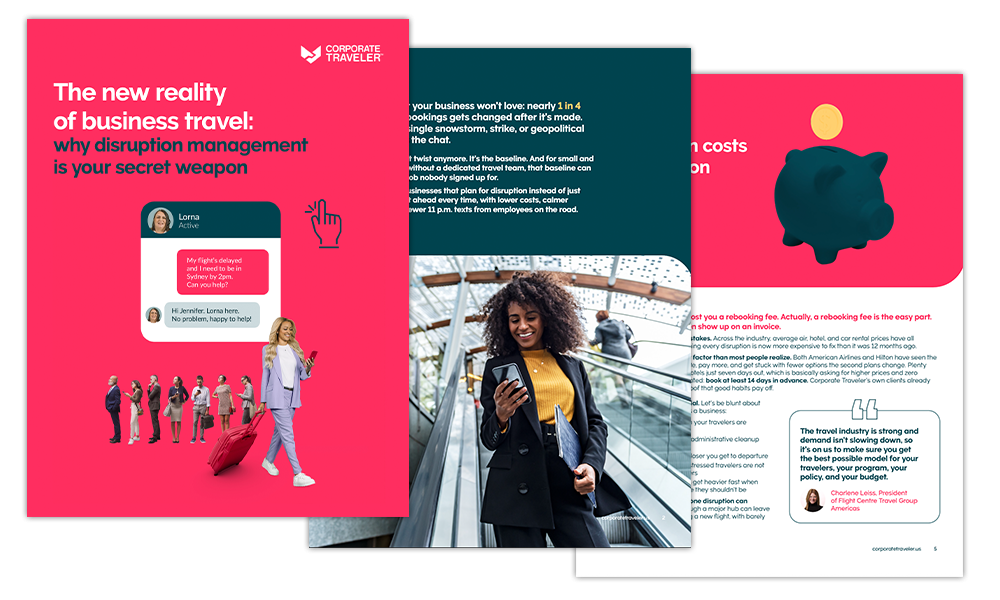
Delays Happen. Don't Let Them Derail Your Business.
Get our free guide to spotting risk early, protecting duty of care, and keeping your travel program running when plans change.
How to improve corporate travel security
What’s the difference between business travel safety and security? While the business travel safety of employees is the most important risk to protect against, travel security is another separate piece of your corporate travel risk management process.
This includes making sure travelers understand how to keep their belongings and company items secure, as well as other security measures.
Include some best practices in your travel policy for choosing accommodation, ground transportation, and who to contact. Before departure, deliver information for travelers that lists all the essential requirements, like travel documents, and any risks to be aware of in their destination.
How to conduct a risk assessment
There are six areas to review for risk assessment. How would you rate your knowledge and preparation in these areas?
If this sounds new to you, chat with your Travel Manager, and they can help you plot out your risk management strategy.
1. Prepare and build flexibility into your plan
Help employees start on the right foot. Employee onboarding is a perfect time to look at the travel policy. An updated policy that’s clear and easily understood by all stakeholders is essential.
So, do employees know what type of travel is allowed, and how to book a business trip or get approvals? Are there clear guidelines on what to do in an emergency?
If you frequently travel to certain countries, a pre-travel guide for travelers with information on corporate travel safety tips, public transportation, business customs, and dress codes is a must.
Traveling can be tiring, and long connection times or different time zones can lead to poor sleep and jet lag. Keep employee health and wellness top of mind by offering information on how to stay healthy while traveling.
2. Choose the right business travel insurance coverage
With so many travel risks to consider, comprehensive coverage not only protects your travelers, but it also protects your business from unforeseen costs. From natural disasters to health issues, corporate travel can get complicated.
Insurance companies provide financial and logistical support when things go wrong, and you need it the most. Make sure you know what's covered and what isn't by reaching out to your insurance provider or designated Travel Manager.
3. Use technology to monitor and mitigate risk
There’s an app for that! Travel management technology can provide a handful of advantages, like customization, 24-hour assistance, and real-time updates. The Melon app is our tool for integrated travel support, and it's a great way to ensure the safety of your road warriors.
The app offers weather updates, flight time changes, and instant access to a real human travel expert. With Melon, mobile travelers can search, book, and change their travel plans on the go.
And if they're in a jam, they can chat with a travel expert in one click, receive real-time notifications of any business trip disruptions, and stay up-to-date with the latest traveler safety requirements.
4. Leverage expert risk management support
Travel managers are professionals who understand the nuances of corporate travel safety and risk management. Enlisting their help can keep you aware of travel security risks and give you valuable business travel safety tips.
We offer 24/7 emergency support from expert travel managers who know your business and policies. No matter when you call or chat, you'll be in touch with a real person who knows how to help. No robots or call centers.
5. Simplify risk protocols and verify processes
One and done. Travel management can get complicated quickly, especially if you’re using different systems or service providers.
Consolidating travel under one channel can be a huge advantage. You can save time, save costs, and gain more visibility with the proper processes in place.
When adding new providers, it's also a good idea to have ways to vet and evaluate them so you can minimize future travel risks.
6. Gather traveler feedback to improve your risk assessment
You don’t know until you ask. Employees travel for a lot of reasons, and experience and expectations will differ. Don't assume they can learn on the go, and check that business travelers know how to stay safe in the locations and situations they’ll be in.
What about ongoing feedback? Gathering employee input on the hotel experience, length of travel time, and other factors can help identify travel pain points. We offer special rates and perks that make business travel more comfortable. Just ask!
Writing a duty of care travel policy
A duty of care travel policy should work alongside the health and safety policy and be part of the overall travel policy. It's a plan that lays out how the company will uphold its responsibility to keep travelers safe and secure on a business trip.
Grab our travel policy template to help you get started and see how your policy measures up:
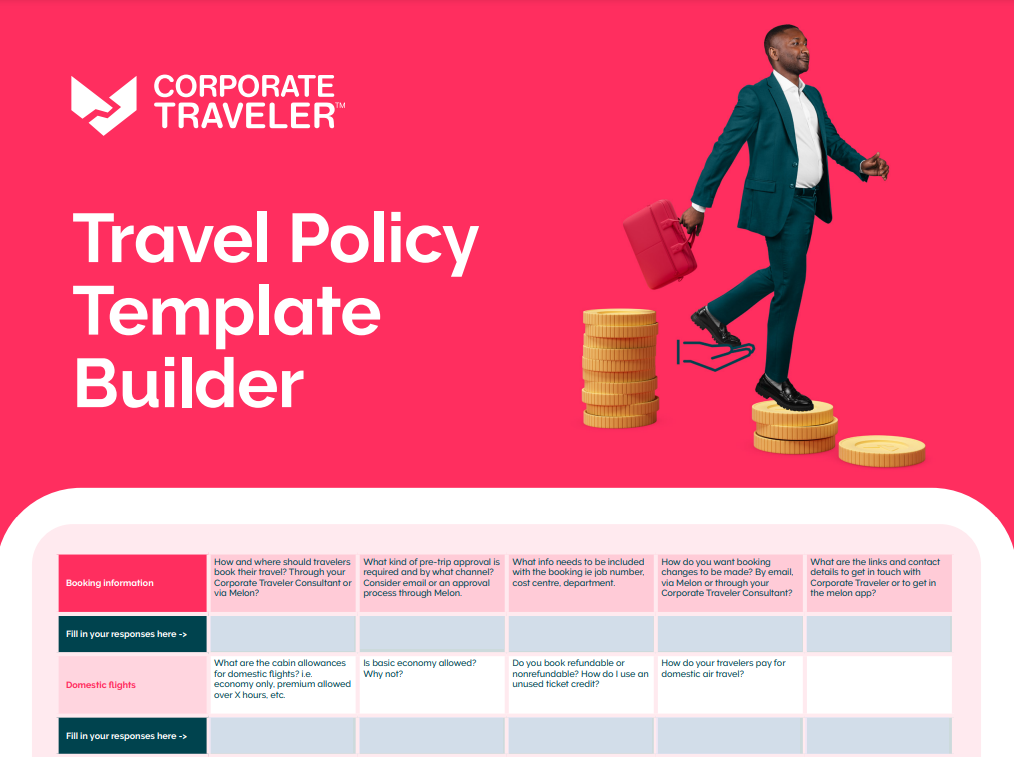
Download our FREE corporate travel policy template builder
Not sure where to start? No worries! We’ve got you. Here’s how to streamline your process with a travel policy template!
While there’s no one-size-fits-all travel policy for every company, following the set guidelines helps you nail a perfect-for-you policy that can see you through an ever-changing travel climate.
How to implement a risk management program
At the heart of your travel policy is your people, a core risk management principle. Listening to, communicating with, and training sessions are all part of the process. Building a solid risk management policy is the best way to be proactive and keep everyone safe.
1. Understand traveler needs for their business trip
Traveler needs can have a variety of meanings, depending on the situation. It can be individual preferences, part of a DEI policy, or working to provide information on food and water safety, or other necessities during a crisis.
With our years of experience in serving travelers, we're proud of the service and support that we offer our clients.
ZVRS is a client that provides video communication services to people with hearing disabilities. Staying in communication with traveling employees was a big challenge for the company, but by using Melon, they were able to implement some simple and effective travel solutions.
2. Communicate available safety and support resources
Describe, explain, and summarize again. Have a crystal-clear communication plan to share with all employees and decision-makers. Use the same channels to explain any new updates to your travel policy, too. This messaging should go over how approvals work, expectations of employee behavior, FAQs, and opportunities for employee feedback.
Communication is the first step in gaining employee's trust and build compliance with new policies. Once it has been discussed, the next essential step is training.
3. Train traveling employees on risk awareness and emergency procedures
Technology and tools can be intuitive if you use them regularly, but that might not be the case for all of your travelers. We’ve worked with thousands of business travelers, and our platform is easy to use and simple to explain to new employees.
It’s also a good idea to include a one-page how-to training guide for people who are new to your travel program.
4. Use tools that support duty of care and traveler safety
So, what are some ways that you can provide a strong corporate travel duty of care for your travelers? Well, we've got options! Working with us gives you access to dashboards, intuitive tools and templates to help you along the way.
Manage travel and duty of care with the Melon app
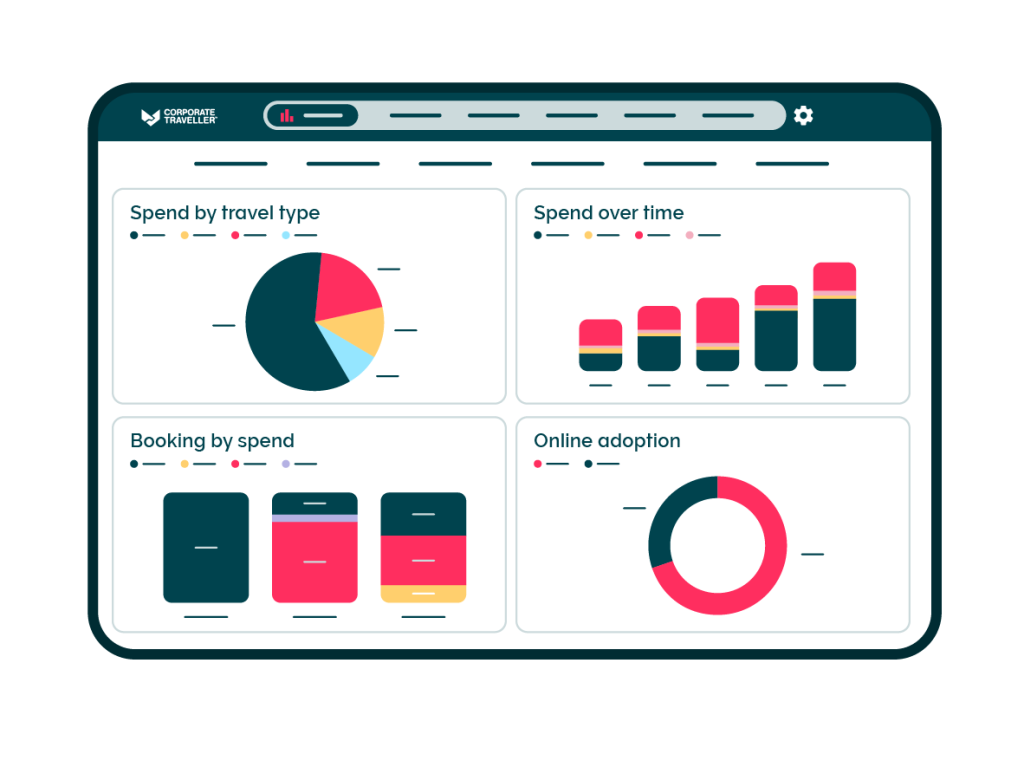
By now, you've heard a bit about the Melon and what it can do, but did you know there’s a Melon app? The Melon mobile app is the on-the-go platform for everything travel-related, like accessing itineraries, receiving real-time travel alerts, and live-chat assistance. There are multiple benefits to using the app for traveling employees and for the business.
Profile management helps travelers keep all their important details in one place. On-trip support is one click away if anything unexpected happens, with phone and email support available 24/7. Melon's intuitive Traveler Safety dashboard provides real-time travel security alerts and country risk ratings, helping you keep up with the latest news.
For travel bookers, metrics like traveler tracking and trip disruptions in the admin dashboard help you maintain corporate travel duty of care and support your travelers away from home. Travel and safety information can be localized with local language settings for companies with a diverse workforce.
Let us show you how Melon can improve travel management for your business!
The bottom line for managing safety & risk
Planning and prep are key to implementing a travel risk management program. Our resources and experience can guide you through the tricky areas of travel safety.
Want to create a comprehensive plan to manage your policies for business traveler safety and risk, as well as protect your best business assets?
Book a meeting to talk with one of our experts about building a better corporate travel safety plan for you today!
It’s time for better business travel management
With the perfect balance of modern travel technology and dedicated experts, you really can have the best of both worlds.
- Designated Travel Manager
- Intuitive all-in-one travel platform
- Search, book, and report in minutes
- 24/7 emergency support & live-chat
- Traveler tracking & duty of care dashboard
Melon Exclusive Deals, negotiated rates, and more! Ready to take your travel risk management policy to the next level?

FAQs
-
What's the difference between travel risk management and duty of care?
Risk management is the broader strategy for limiting expected and unexpected risks, like customs delays or natural disasters. Duty of care is more specific: it's a company's legal responsibility to protect employee health, safety, and security while traveling for business.
-
What does duty of care mean in business travel?
Duty of care means a company is responsible for assessing and preparing for risks that could affect a traveler's health, safety, or security, and for bringing that traveler home safely. Since the company often makes the call on travel plans, it carries the responsibility for the outcome.
-
What risks should a corporate travel safety policy account for?
Common categories include travel disruptions, health risks, natural disasters, political unrest, and local crime levels. A thorough policy also considers less obvious factors, like local laws affecting LGBTQIA+ travelers or safety concerns specific to women traveling alone.
-
How do you conduct a travel risk assessment?
A solid risk assessment covers six areas: building flexibility into travel plans, choosing the right insurance coverage, using technology to monitor risk, leveraging expert support, simplifying protocols, and gathering traveler feedback to improve the process over time.
-
How can companies make business travel more inclusive and accessible?
Start by listening to feedback from a diverse group of travelers and working with HR on DEI considerations. Policies should address the specific needs of LGBTQIA+ travelers, women traveling alone, travelers with disabilities, and travelers who may face racial profiling, with clear guidance and support built in.
